

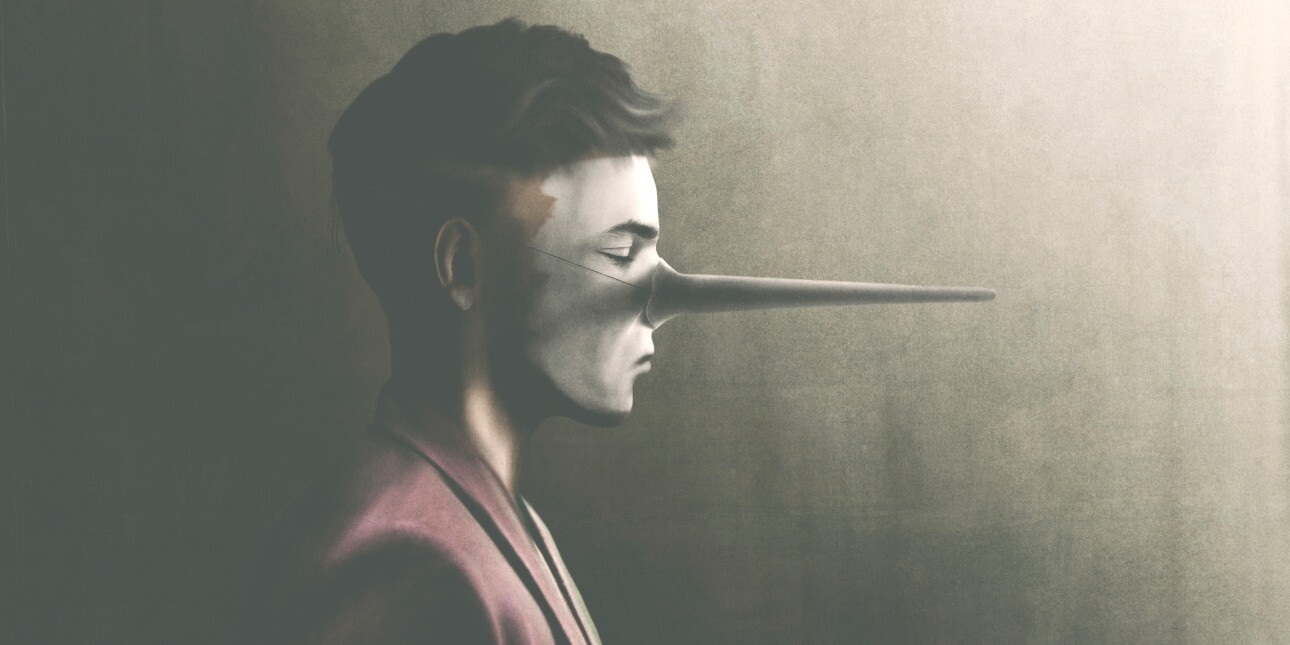
The rise of fake experts is undermining trust in media
A small number of agencies are damaging the trust that underpins media relationships, and the consequences extend far beyond individual campaigns.
The growing use of fake experts in media coverage is becoming a serious issue for journalism and public relations.
A small number of agencies are damaging the trust that underpins media relationships, and the consequences extend far beyond individual campaigns.
Now as news brands try to tackle the extent of fake experts and how to prevent it, it presents new challenges for everyone in the industry.
This isn’t a grey area
An expert should be exactly that. Someone with either relevant qualifications or high level of experience and accountability.
Yet increasingly, journalists are seeing more and more fake experts: manufactured profiles and AI-generated headshots with job titles that don’t specifically relate to the “expertise” being offered.
The Press Gazette recently conducted its own research identifying fake experts across five news brands and publishing a spreadsheet publicly identifying the fake expert and the brand associated with it. Interesting reading!
Some may frame this as ‘creative problem-solving’. In reality it undermines industry credibility.
And at a time when there is already concern around AI generated pitches and decreasing newsrooms, AI generated experts is the last thing journalism needs.
The fallout from fake experts will be felt by everyone
Unfortunately, the fallout from the fake expert’s scandal may be felt by everyone.
Not only are journalists having to be far more thorough when evaluating the authenticity of experts, PRs are feeling the pressure too. [Editor's note: The CIPR and the PRCA wrote a joint letter to journalism membership organisations and media trade titles to verify PR sources.]
In response to the research, Reach has announced plans to look for evidence of fake experts in archived content as well as a couple of new measures.
Initiatives such as trusted agency directories are understandable responses to the issue. However, if implemented without transparency or clear criteria, they risk concentrating opportunity among larger firms while penalising smaller agencies who operate ethically but lack profile visibility.
Fake experts will cause fragile media relationships
It’s clear to see why media publications like Reach might introduce such initiatives, but could they make things worse?
The relationship between media and PR has long been under pressure. Journalists frequently highlight the volume of irrelevant or poorly targeted pitches landing in their inboxes, while in recent years, some PRs have fuelled tension by requesting links in return for coverage. Against that backdrop, the rise of fabricated experts’ risks placing even greater strain on an already delicate dynamic.
With journalists concerned about publishing stories accidentally including fake experts and PRs worried they may be accidentally blocked or blacklisted through no fault of their own, is there a solution?
Black-listing agencies is not the answer
The long-term solution lies in raising professional standards across the board.
Agencies must commit to pitching genuine, accountable expertise and journalists must continue demanding transparency. Industry bodies can play a role in setting clearer expectations.
Trust remains the currency of media relations. Once eroded, it is difficult to rebuild.
We need to work together rather than against each other.
I don’t think creating a directory of trusted agencies is working together. I’m sure as Matt Seabridge suggested on LinkedIn that it will favour the bigger, well known PR agencies, leaving the smaller, more niche PR agencies and freelancers out in the cold.
PR agencies have a responsibility to be pitching genuine experts with authentic viewpoints as that is the only thing we have now that can make brands stand out in a sea of Ai generated content.
We have formalised additional checks to ensure every spokesperson we represent meets clear credibility criteria before being pitched. This includes documented expertise, transparent roles, and accessible verification.
Experts with no digital footprint are harder to authenticate
Newsrooms are operating under sustained pressure. Journalists have less time to research, verify and sense-check sources, and that reality is unlikely to shift given ongoing resource constraints.
In that environment, the responsibility sits firmly with PR professionals to make verification straightforward. Spokespeople should have genuine credentials, relevant industry experience and a visible digital footprint that allows journalists to confirm who they are within minutes. Where an online presence is limited, agencies should proactively facilitate direct access so credentials can be validated without friction.
Against that backdrop, it is worth defining what a credible expert should look like in practice:
What should constitute a credible expert?
- Verifiable qualifications or demonstrable senior-level experience.
- Clear relevance to the topic being pitched.
- A traceable digital footprint (LinkedIn, published commentary, company presence).
- Willingness to speak directly with journalists.
- Transparency around commercial interests.
Clarity on these fundamentals protects journalists’ time and safeguards industry standards.
Raising standards is the only sustainable solution
If the long-term credibility of our industry matters, action is required.
Fabricated experts may secure short-term coverage for a handful of brands, but the wider consequence is reputational damage that affects agencies, journalists and clients alike.
Blacklists and blocked emails will not resolve the underlying issue. A consistent uplift in professional standards will. That means greater transparency, clearer verification of expertise and a shared commitment to putting forward qualified, accountable spokespeople.
Agencies unwilling to meet higher expectations will feel the impact. Those that prioritise credibility will strengthen their media relationships over time.
Trust is already under strain due to shrinking newsrooms, AI-generated content and increasing production demands. Adding fabricated expertise to that environment accelerates the erosion of confidence. Protecting credibility requires collective responsibility and measurable standards, not short-term shortcuts.

Further reading
Why losing women in Stem hurts PR and journalism too
Beauty, health and wellness brands can’t thrive without smart PR and marketing
Taylor Swift and the Lively-Baldoni saga: Testing moral brand consistency