



England’s new regionalism: why politics, place and PR need to reconnect
Regional mayors and devolved powers offer a chance to bring government closer to communities, with significant implications for PR, public engagement and agency investment.
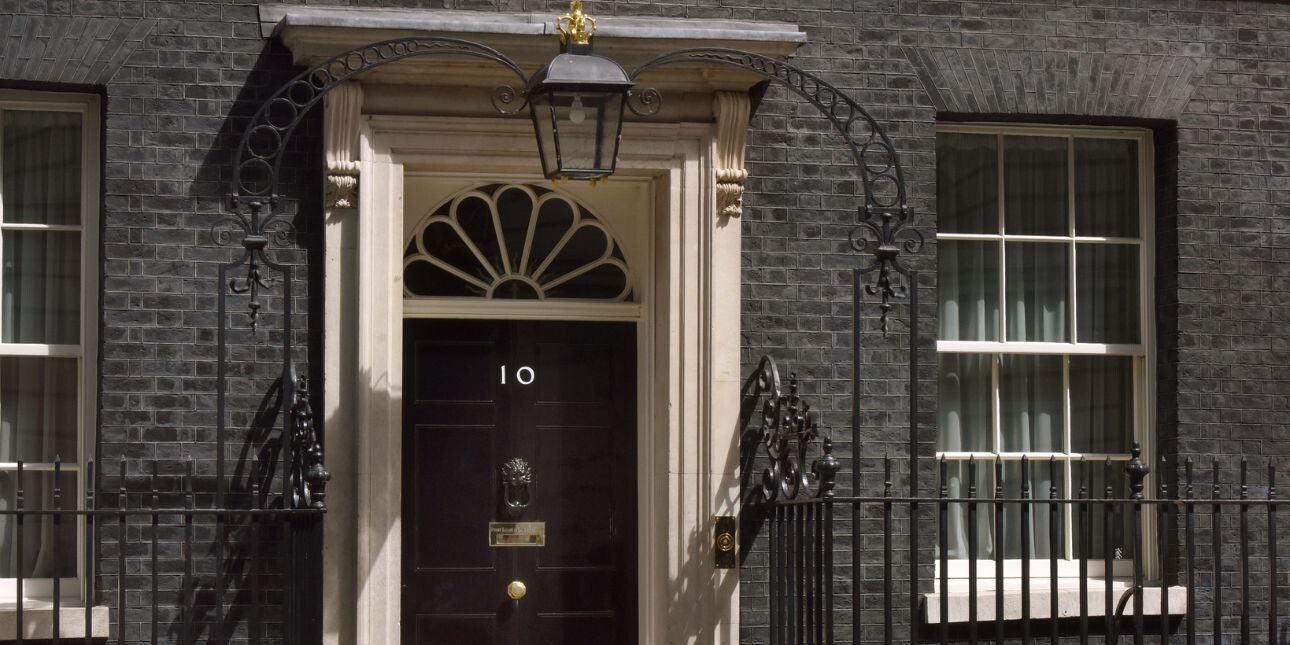
Andy Burnham’s opening of No10 North is a flagship statement. Its central message is that, while politics and the media have become increasingly nationalised, people’s lives remain stubbornly local.
Good communicators, whether they are based in London or elsewhere, understand this instinctively. One-size-fits-all communications in a country as diverse as the UK is simply bad communications.
For PR agencies, particularly those on government frameworks that deliver much of the public sector's marketing, PR and advertising, this shift presents both a challenge and an opportunity. Much of this work has traditionally been delivered by agencies operating from London offices. They may now find themselves having to respond to a changing landscape, with influence and investment moving north, east and west.
When Gordon Brown left Downing Street in 2010, the government communications framework was worth £1bn. There are already many great agencies in the regions with established local relationships and a strong track record of delivery. The regional CIPR Pride Awards alone demonstrate the depth of communications talent across the UK, not just England. It will be interesting to see if regionalism extends to those agencies financially.
As mayors become more firmly established across England's regions, budgets are following. There is also the potential for regional authorities to place greater emphasis on working with local and regional agencies, although whether this becomes a formal procurement requirement remains to be seen.
Politics must reflect the places people live
People experience government through the lens of their local transport network, their town centre, how safe they feel, local job opportunities for themselves and their children, housing, healthcare and whether their community feels like it has a future.
Successive governments have recognised the problem but fallen short with solutions. Policy has been designed in Westminster and imposed on communities. The Treasury's Green Book makes sense on spreadsheets but less so in the real world.
Policy should be shaped by places, not simply implemented within them. Good communicators have an important role in making that case to those in power; otherwise they’re doomed to manage the consequences and the costs.
The lessons of regional government
John Major created Government Offices for the English Regions. Tony Blair later added Regional Development Agencies. These structures were based on an important principle: effective government requires local intelligence as well as national direction.
The Coalition Government dismantled these regional structures; it centralised communications, while new digital channels were expected to narrow the distance between government and citizens.
The assumption that technology and direct communication could replace local relationships and regional networks proved flawed. We are more connected and simultaneously fragmented and diversified.
Governing is not simply about broadcasting information. It is about listening.
When institutions lose their connection with place, they become less able to understand how policy is landing on the ground. They become less likely to spot emerging concerns, build trust, and respond before frustrations become entrenched.
Brexit exposed a gap between national assumptions and local realities. England now has another opportunity to address that disconnect.
Combined authorities, elected mayors and devolved powers are beginning to establish a different relationship between communities and the state.
Local leaders, civic institutions, universities, businesses and community organisations are closer to public sentiment than any Whitehall department can be. They provide the eyes and ears that national government needs if it is to remain responsive and relevant.
A new role for the PR profession
The next phase of devolution should be more than transforming powers, allocating budgets and creating governance structures. It should be about rebuilding the conversation between government and citizens.
England’s new regionalism offers an opportunity to reconnect politics with place, strengthen democratic participation and rebuild public trust.
Regionalism will be judged not by whether it helps government listen better but whether it delivers real change to people’s lives. The public relations profession has an important role to play to make sure this happens.

Stuart Baird is director of BakerBaird Communications.
Further reading
Budget 2026: PR leaders call for support to recruit, invest and grow
How will Andy Burnham’s personal communication style shape his premiership?
Burnham’s words fly where Starmer’s sank – because he has something to say